

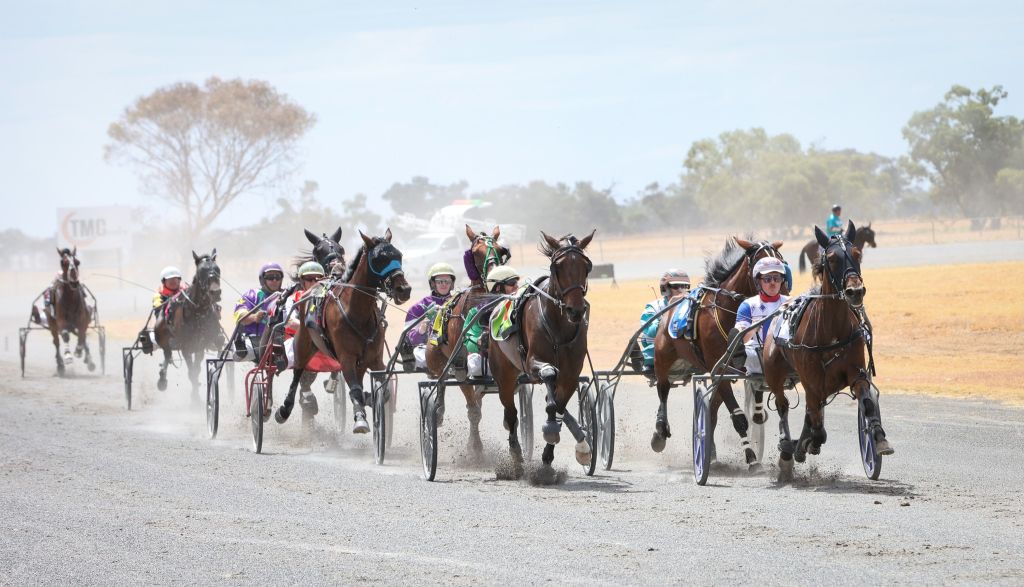
 Harness racing in Victoria contributed $623.3 million to the state’s economy, 61.8 per cent of it in the regions.
The considerable impact was revealed in Tuesday’s launch of the Victorian Racing Industry’s Size & Scope Report, which measured the harness, thoroughbred and greyhound racing codes’ 2024-25 footprints.
Harness racing had the greatest percentage of regional contribution – 61.8% compared to the 46.1% tri-code average – reflecting the industry’s vast participant, club and fan network.
Harness Racing Victoria chief executive officer Matt Issacs said the industry was proud of its significant contribution to Victorian racing and to the economic and social fabric of communities across the state.
“In 2024-25, more than 600 breeders produced foals that will support the future of an industry in which more than 1,000 trainers and drivers compete in over 3,600 races across 27 Victorian harness racing tracks, supported by more than 20,000 owners, volunteers, members and club staff,” Isaacs said.
“This report reiterates that the thousands of racing participants, clubs, volunteers and fans are the lifeblood of towns and cities, and that a racing industry built on three strong, supported and thriving codes delivers benefits well beyond the racetrack.”
The report showed harness racing:
- Was the primary code in the Shepparton district, with its $51.5 million almost half of the total tri-code contribution ($111.8 million)
- Had the second biggest economic contribution (behind the thoroughbred industry) in six of the eight country regions
- Fostered 9,143 roles in harness racing, including participants, volunteers, and club, breeding and racing staff
- Had 1431 broodmares produce 954 foals, generating more than $37.6 million in the production and care of racehorses, primarily in Shepparton (37%), Ballarat (19.9%) and the Outer Melbourne (10.5%) regions
In total, the three racing codes contributed more than $5.5 billion to the Victorian economy and sustained more than 33,450 full-time equivalent jobs across.